How to Integrate Waste-Management Solutions into Your Business Operations: A Guide for Nigerian Companies
At Markus Synergy Limited, we believe sustainable waste management helps companies build safer workplaces, strengthen their brands, and align with both local and international standards for environmental compliance.
Introduction
Waste generation is an unavoidable part of business operations, whether you run a small enterprise or a large manufacturing plant. Yet, how a company manages its waste can make the difference between compliance and penalties, profit and loss, or even reputation and risk.
In Nigeria, where rapid industrial and commercial growth is creating new waste challenges every day, integrating effective waste-management solutions is not only an environmental responsibility but also a smart business strategy.
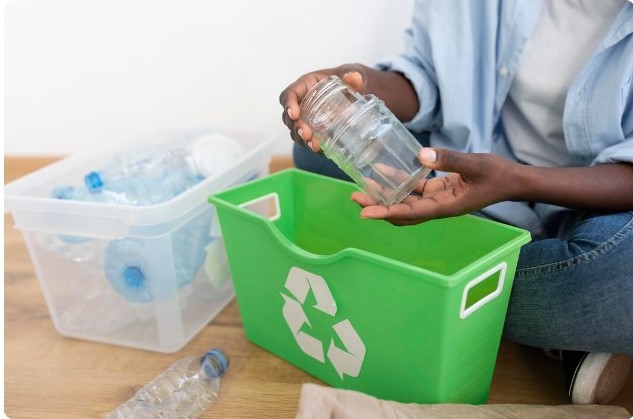
1. Understand Your Waste Stream
The first step towards an effective waste-management system is knowing what kind of waste your business produces.
Conduct a waste audit — a simple review of your operations to identify:
Types of waste (organic, paper, plastic, metal, chemical, or hazardous)
Sources of waste (production lines, offices, packaging, etc.)
Quantities generated daily or weekly
This process helps you identify areas where waste can be reduced, reused, or recycled. For example, a bank might find that 60% of its waste is paper, while a food company may produce more organic waste suitable for composting.
2. Develop a Waste-Management Policy
Every company, regardless of size, should have a clear policy that defines how waste is handled, stored, and disposed of.
Your policy should outline:
The company’s commitment to sustainability and regulatory compliance
Roles and responsibilities of staff or departments
Procedures for collection, storage, recycling, and disposal
A review schedule to track progress and make improvements
At Markus Synergy, we help organisations draft policies that meet both Nigerian environmental regulations and international best practices such as ISO 14001 standards.
3. Reduce, Reuse, and Recycle
This simple principle — often called the “3Rs” — forms the backbone of sustainable waste management.
Reduce: Limit unnecessary materials. For example, shift from single-use plastics to refillable containers.
Reuse: Repurpose items such as boxes, bottles, or office equipment where possible.
Recycle: Partner with certified recyclers to ensure materials such as plastics, glass, or paper are properly processed.
Incorporating these steps not only lowers your waste volume but can also cut costs and even generate new income streams.
4. Partner with Licensed Waste Contractors
Improper waste disposal is one of the main reasons businesses face environmental fines. Always work with licensed waste-collection and recycling companies registered with local environmental agencies.
Such partnerships ensure:
Safe handling and disposal of hazardous waste
Compliance with local and national waste-management regulations
Proper documentation for audit and reporting purposes
Markus Synergy assists companies in identifying reliable partners and integrating their services into day-to-day business operations.
5. Train and Engage Your Employees
Even the best system will fail without employee participation. Waste management should be part of the company culture, not just a management directive.
Practical steps include:
Organising regular training on segregation and proper disposal methods
Placing clearly labelled bins in offices and work areas
Rewarding teams that show commitment to sustainability
When staff understand the “why” behind waste management, compliance and innovation naturally improve.
6. Monitor and Report Progress
Measuring your performance is key to long-term improvement. Keep simple records of:
The amount of waste collected and recycled each month
Cost savings from reduced waste volumes
Environmental or safety incidents related to waste
Periodic reports help management assess progress and demonstrate accountability to stakeholders, regulators, and clients.
7. Align with Broader Sustainability Goals
Waste management is not an isolated task — it is part of a bigger sustainability picture. Aligning your waste-management strategy with your Environmental Management System (EMS) or Corporate Social Responsibility (CSR) initiatives strengthens your overall impact.
By integrating waste management into your wider environmental strategy, your business contributes to the United Nations Sustainable Development Goals (SDGs), particularly SDG 12 (Responsible Consumption and Production) and SDG 13 (Climate Action).
Conclusion
Waste management is no longer just about disposal; it is about responsibility, efficiency, and opportunity. Nigerian companies that adopt proactive waste-management solutions position themselves for better compliance, stronger reputations, and long-term sustainability.
At Markus Synergy Limited, we support businesses and institutions to design and implement practical, results-oriented waste-management systems that make a difference — both for the organisation and for the environment.
Together, we can build a cleaner, safer, and more sustainable future for Nigeria.
Post Tags :
Share :